
Learning Spanish with Tintin: How Comics Can Unlock a Language
The moment words became pictures
I still remember the first time Spanish felt less like a puzzle and more like a story. It didn’t happen in a classroom. It happened in a comic book.
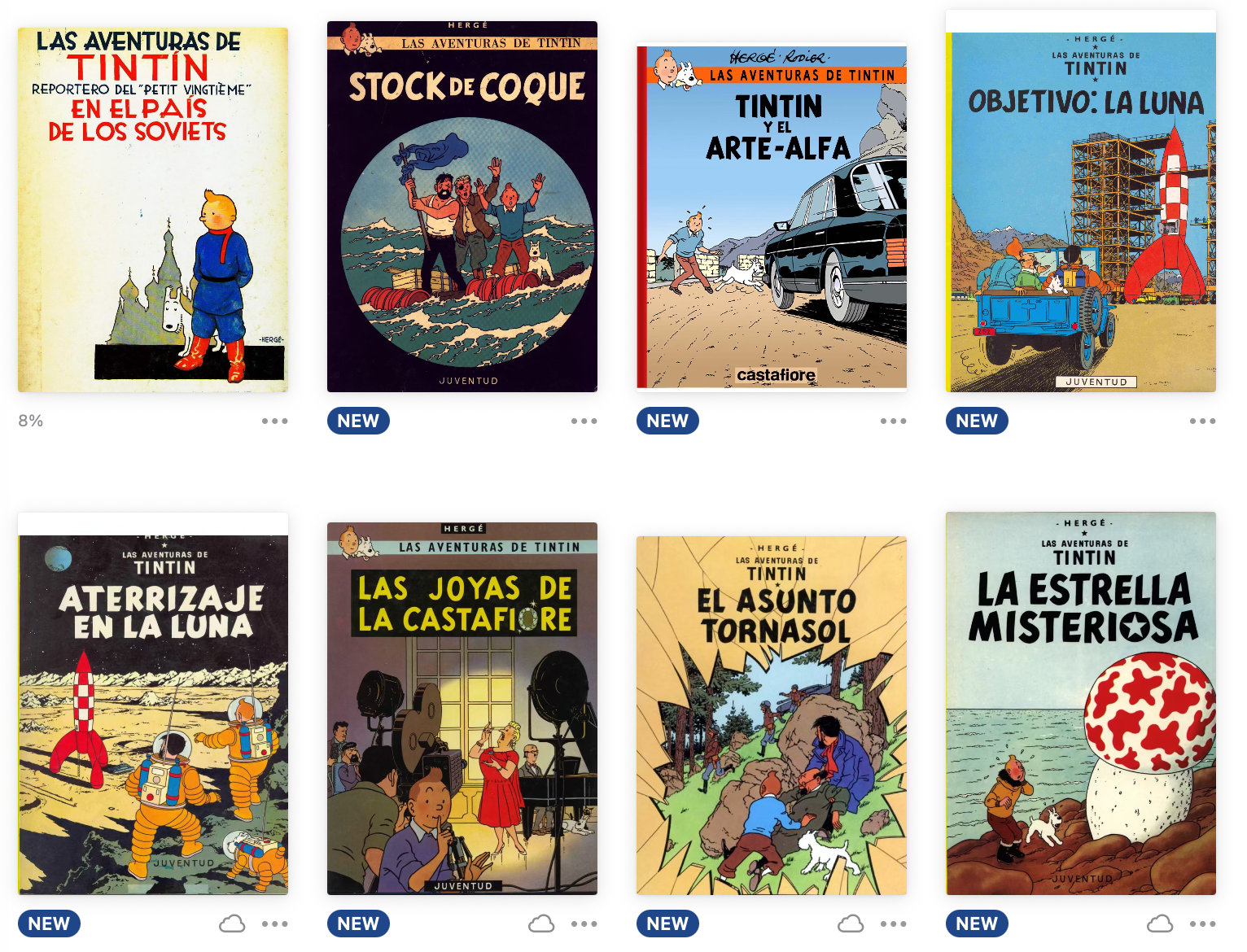
I grew up reading Tintin. The adventures, the characters, the humor, all of it felt familiar. When I picked up Tintin in Spanish, I thought it might just be a nostalgic way to practice. Instead, it turned into one of the most powerful tools for learning I’ve ever experienced.
In one scene, a character asked, “Pásame las tijeras, por favor.” I had never seen the word tijeras before. But there, in the panel, someone was reaching out with scissors in their hand. Suddenly, the meaning clicked. No dictionary needed. Just context and a picture.
That moment taught me something important: language doesn’t live in isolation. It lives in action, in images, in relationships between people. Comics make that visible.
Why comics are such a powerful learning tool
Textbooks often separate language from life: long word lists, isolated grammar points, and example sentences that don’t always stick. Comics, on the other hand, give you:
- Context: Words always appear in a situation. You see who is speaking, what they’re doing, and why.
- Visual memory: Your brain links the word to an image. Later, you don’t just recall the word—you recall the scene.
- Emotions: Humor, tension, surprise—these emotions make the language memorable. You care about what’s happening, and that makes the words matter.
- Digestible input: Comics break language into short lines of dialogue. Instead of facing a full page of text, you can focus on one bubble at a time.
It’s not about replacing study altogether. It’s about finding the kind of practice that makes you want to turn the page.
Like comics, Ellie makes language visual and contextual—so words are tied to actions, emotions, and your own life.
How to make comics part of your learning
Here are a few practical ways you can try this yourself:
1. Choose a story you already know
If the characters and plot are familiar, you won’t feel lost when the words are new. For me, that was Tintin. For you, it could be Asterix, Garfield, or even a superhero comic.
2. Look for strong visuals
The clearer the artwork, the easier it is to connect language to action. Comics with expressive drawings—where you can see emotions and objects clearly—work best.
3. Guess before you check
When you see an unknown word, pause. Look at the picture. What’s happening? Often, you’ll be able to figure it out. Only after that should you look it up. The guesswork makes your brain more active and strengthens memory.
4. Read in small doses
You don’t need to finish a whole book in one sitting. Even reading a few panels a day gives you meaningful practice.
5. Keep it fun
Comics are not “cheating.” They are language in action. Let go of the idea that learning must feel difficult to be valuable. If you’re enjoying yourself, you’re far more likely to keep going.
Where to find comics in your target language
- Bookstores: Many popular comics are translated into multiple languages. Ask for Spanish, French, or Italian editions of classics.
- Libraries: Larger libraries often stock bilingual or translated editions.
- Digital platforms: Apps like Kindle or Izneo let you buy comics in many languages.
- Local culture: If you’re learning Japanese, manga is a natural choice. For Spanish, you’ll find everything from Mortadelo y Filemón to translated superhero comics.
The important thing isn’t which comic you choose—it’s whether you enjoy reading it.
What comics taught me about learning itself
Looking back, what stayed with me wasn’t just vocabulary. It was the reminder that learning is personal.
Not everyone learns best by reading comics. For some, it’s music, or movies, or talking with friends. But for me, comics were the bridge that made Spanish less abstract and more alive.
And that’s what I love most about language learning: there’s no single “right” way. There’s only your way.
Key Takeaways
- Comics connect words with pictures, making meaning clear.
- Context and visuals help you guess—and remember—new vocabulary.
- Start with a story you already love, and let the enjoyment lead the learning.
Ellie helps you to discover the learning methods that fit you - whether that’s comics, conversations, or something else entirely. For me, it was Tintin. What will it be for you?
Related Articles

Before You Board: 3 Language Tips for Your Next Trip to Europe
A quick checklist for travelers heading to Italy, France, or Spain — because a few words can make every encounter warmer.

Is Having an Accent Bad? Why You Should Rethink That Question
One said, “I hate my accent. I’m thinking of taking a course to get rid of it.”